
Paint polymerization: the 5 fundamental aspects
Contact usPolymerization is an important process to maximize the performance of surface coatings, to obtain the adhesion, chemical resistance and properties necessary to meet the required standards.
To ensure that an industrial painting process is transformed into added value, it is necessary to pay attention to all the phases that make up the process itself. This applies both to powder and liquid painting, as well as to cataphoresis. From the initial choice of the best raw materials to the maintenance of the infrastructure, everything must be perfectly evaluated, so that nothing can compromise the quality of the coating.
In this article we will examine the last step of the treatment, which is often taken for granted and which instead deserves adequate in-depth analysis: the polymerization phase in the baking oven, with which the paint is definitively deposited on the substrate.
Polymerization is a fundamental process for maximizing the performance of coatings, obtaining adhesion, chemical resistance and the necessary surface properties, all characteristics that can only be achieved if the process is carried out correctly, according to the technical indications of the various types of paints applied.
There are at least five factors that should be carefully monitored to help achieve an adequate cure. Let's see them together.
1. Substrate temperature
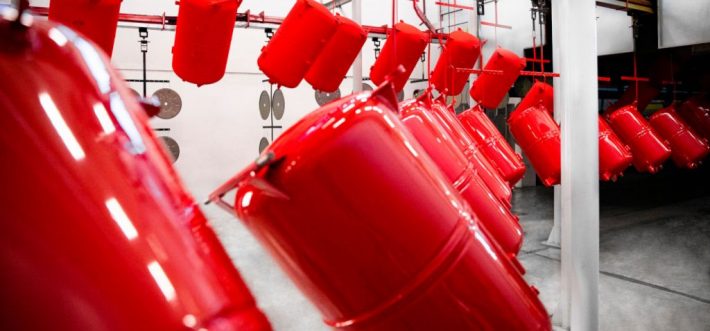
When having to enter an oven, the first factor that is easy to think about is the temperature of the oven itself; instead, probably the most important aspect of curing is the temperature of the substrate, since it is the substrate that heats up causing the coating to harden. The time required to reach the correct substrate temperature varies depending on the type of material and its weight.
2. Oven temperature
The oven temperature during polymerization is also critical. It is important to know that the temperature of an oven can often vary depending on the air flow and the size of the batch to be polymerized as well as, inevitably, on the type of material being treated and the painting method chosen: for example if you are following a liquid painting, powder coating or cataphoresis cycle.
3. Curing time
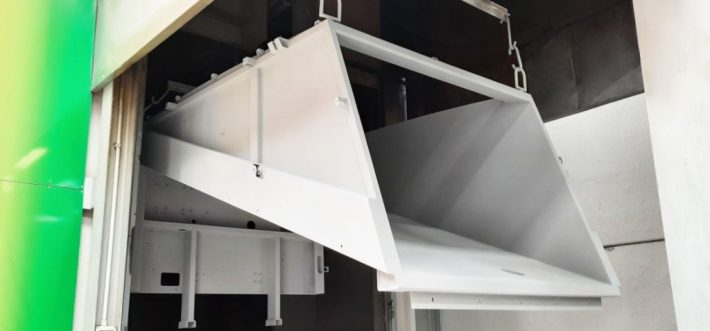
This aspect also needs to be carefully controlled, as there tends to be an inverse relationship between polymerization time and temperature. As an example, some materials, such as castings, can cause blistering when subjected to high curing temperatures and therefore require lower temperatures for longer periods of time. On the other hand, lowering the polymerization temperature could change the characteristics of the coating film, and prolonged polymerization could degrade the coatings. These effects are some examples to better understand how polymerization time is essential and calibrating it as best as possible is invaluable for the correct deposit of the coating.
4. Air flow
There are at least two reasons why you need to pay attention to the air flows in the cooking oven. On the one hand, it helps to maintain the same temperature throughout the oven, thus eliminating any "dead" areas that can prevent correct polymerization; on the other hand, the air flow must be controlled so that the fumes are emitted through the exhaust systems and do not escape into the working environment where they could cause a health hazard.
5. Loading the oven
The oven load is also a factor to be evaluated: as the volume of items to be treated increases, polymerization will take longer. As an example of how this can impact you, a heavy load in a line oven may require a slowdown in the speed of the production line.
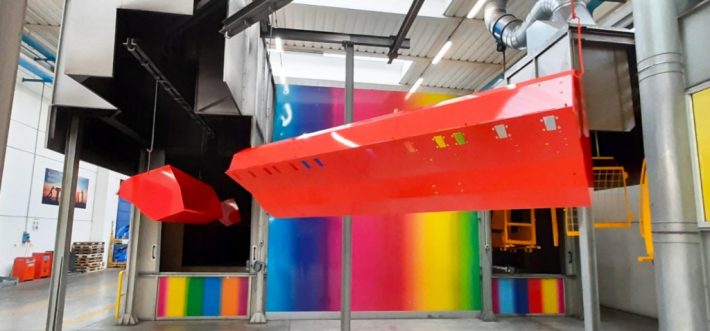
As we have seen, achieving ideal polymerization is not always easy due to the many variables involved. For this reason, relying on an expert and trusted partner is essential.
Do you want to receive more information? Write to us at info@zoccaratoverniciature.it.
More articles

E-coating or Powder Coating? 3 Factors to Consider Before Choosing
Why does metal corrode? The 7 factors not to be underestimated
Metal cabinets for data centers in a marine environment: why the C5-H cycle is fundamental
Cataphoresis: the questions you didn't know you had (and the answers that make the difference)
Have a project in mind?
Tell us about your needs: our team will guide you to the most suitable treatment.
Contact us