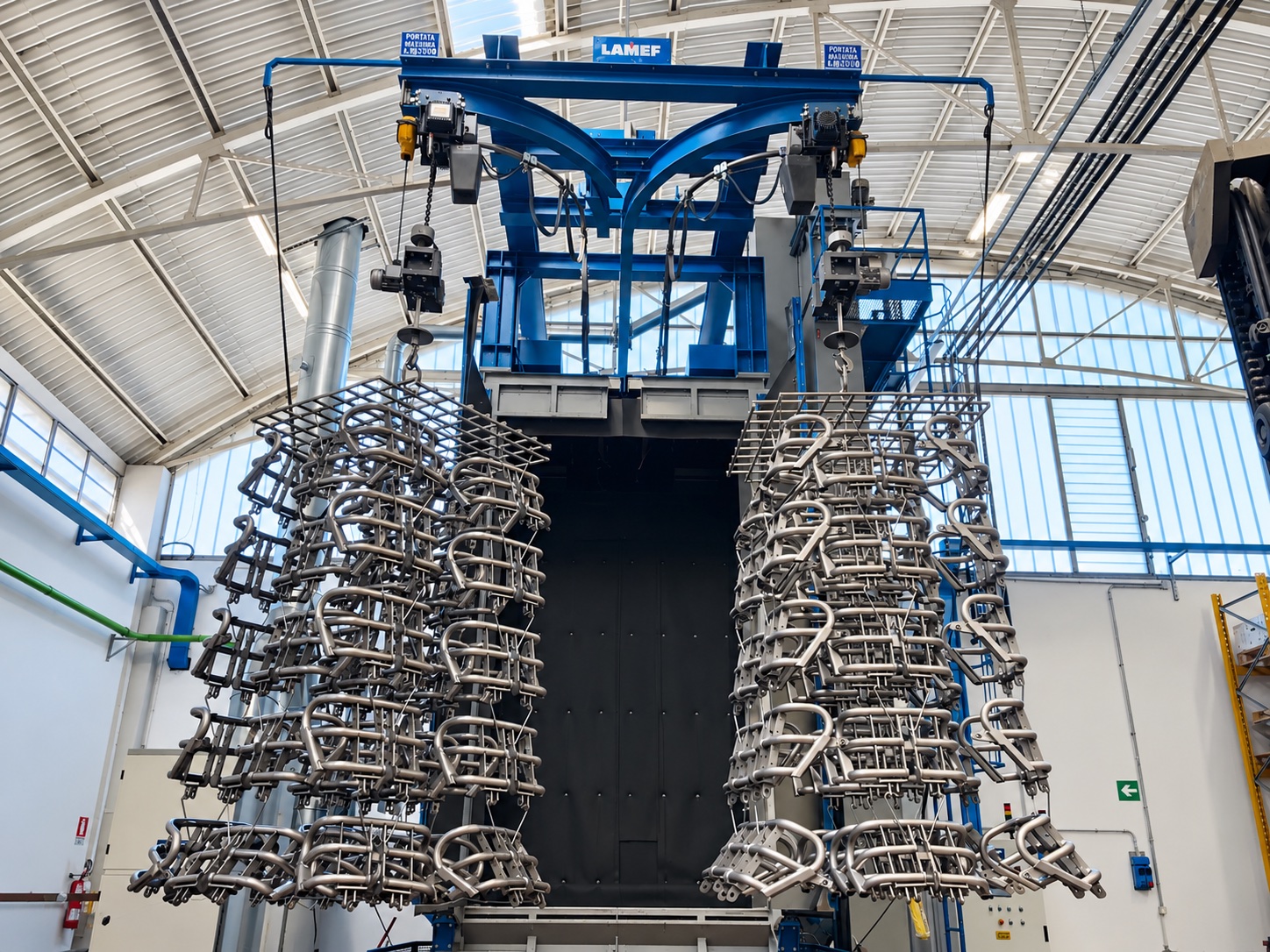
Controlled abrasive
The projection of high-speed metal abrasives removes rust, mill scale, oxidation and surface contaminants.
Sandblasting is a fundamental treatment for preparing metal surfaces before coating.
Through the controlled projection of high-speed metal abrasives, it removes rust, mill scale, oxidation and surface contaminants, producing a clean and uniform surface.
Correct preparation of the substrate is decisive for paint adhesion, corrosion resistance and the durability of the protective cycle.
Sandblasting is a mechanical process used to prepare metal surfaces before coating or other surface treatments.
For this reason it is often the first step in high-performance anti-corrosion cycles.
remove rust and oxidation
eliminate mill scale and impurities
remove machining residues
even out the surface
create the correct roughness profile to promote paint adhesion
prepare the substrate for subsequent protective cycles
From metal to coating cycle
The projection of high-speed metal abrasives removes rust, mill scale, oxidation and surface contaminants.
The surface is brought to a clean and homogeneous condition, ready for subsequent treatments.
The correct surface profile promotes paint anchoring and reduces the risk of detachment.
The preparation maximises adhesion, corrosion resistance and the durability of the part over time.
Blasting grades
Zoccarato Industrial Coatings carries out treatments compliant with the ISO 8501 standard, the international reference for the preparation of steel surfaces.
The grade is chosen based on the operating conditions of the component and the performance required by the coating cycle.
Sa 2½ blasting guarantees a higher level of cleanliness than Sa 2 and is recommended when high anti-corrosion performance is required.
The choice of grade depends on the operating environment and the required performance.
Anti-corrosion protection
In cycles intended for aggressive environments, sandblasting is the foundation for achieving high anti-corrosion performance. Correct preparation makes it possible to maximise the effectiveness of subsequent treatments and significantly increase the durability of the part.
Industrial sandblasting is used in numerous sectors, where the preparation of the substrate directly affects the final quality of the protective cycle.
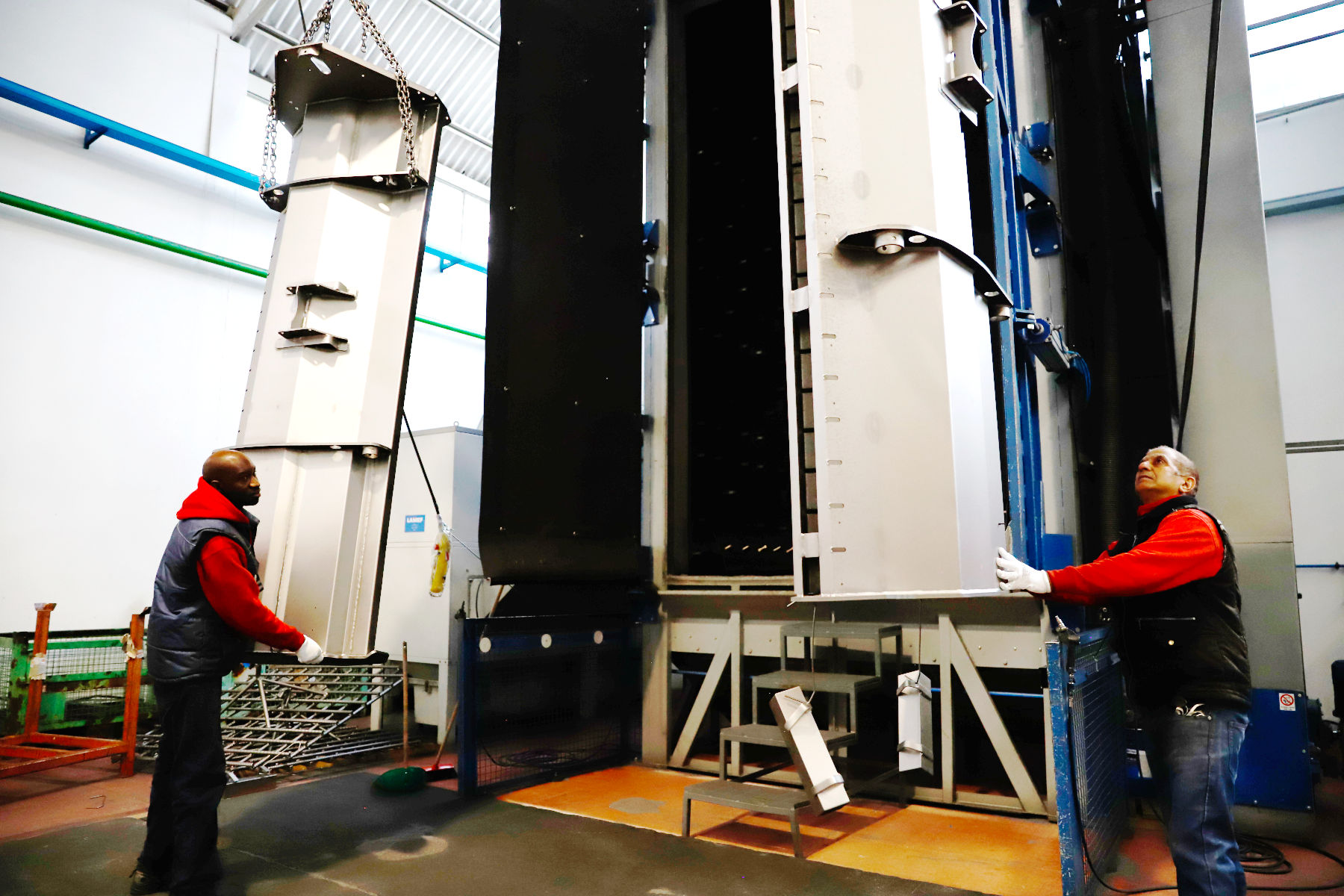
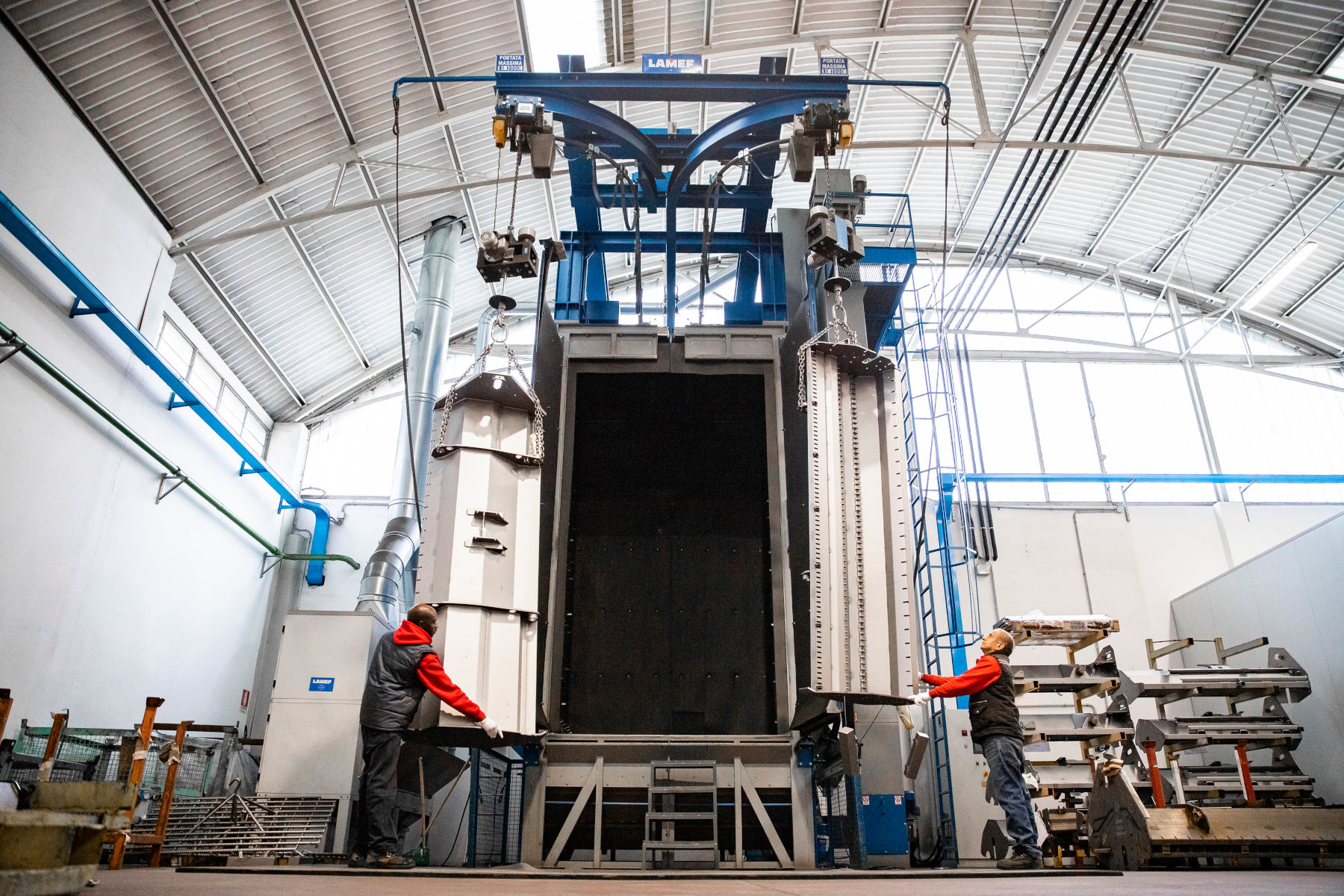
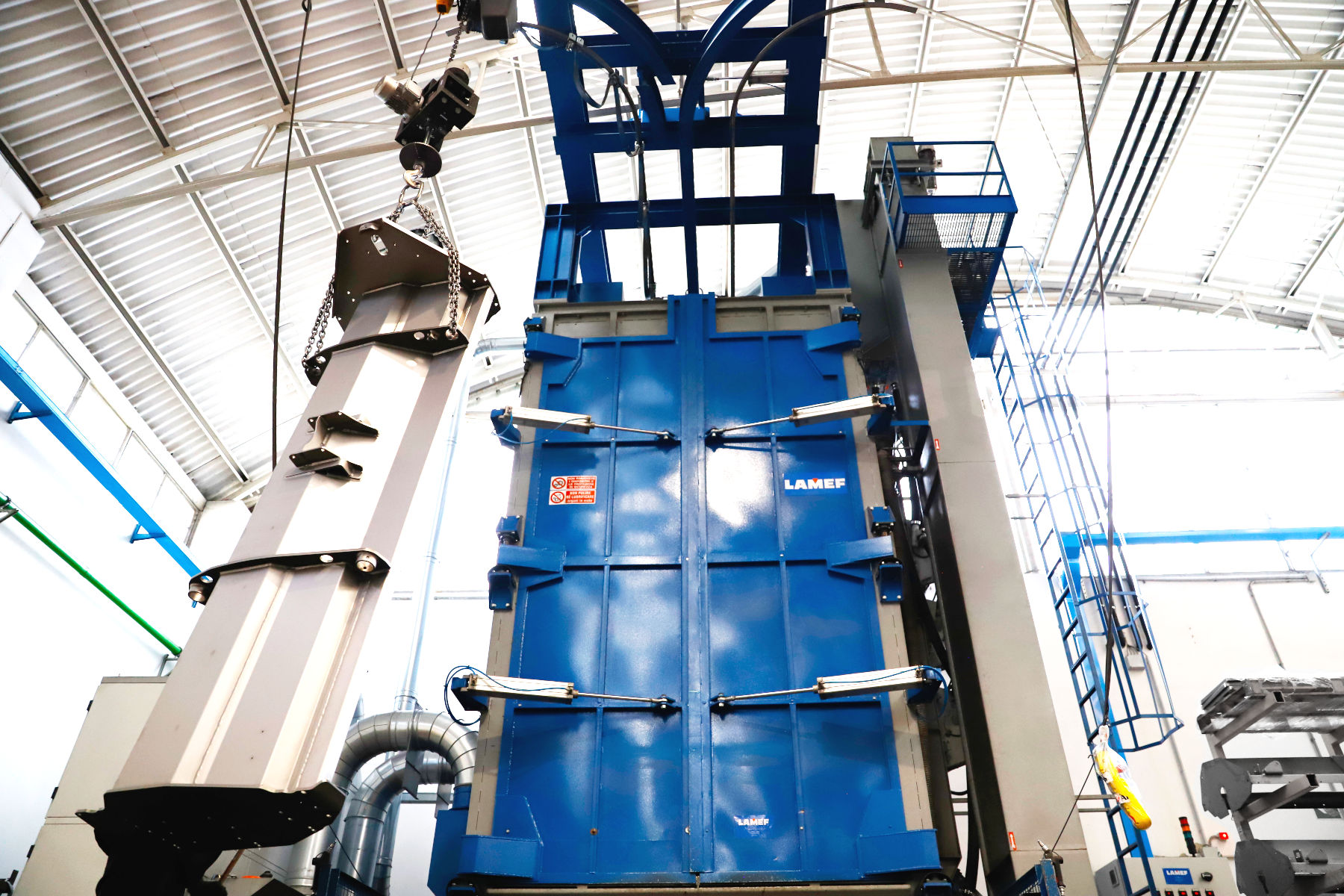
Sandblasting department
Sa 2½ blasting guarantees a higher level of cleanliness than Sa 2 and is generally used when high anti-corrosion performance and greater durability of the coating cycle are required.
It depends on the condition of the substrate and the required performance. In higher-performing anti-corrosion cycles it is often the ideal solution to ensure adhesion and durability.
Yes. The combination of sandblasting, e-coating and final coating makes it possible to achieve one of the most effective protection cycles for components intended for particularly aggressive environments.
Tell us about your needs: our team will guide you to the most suitable treatment.
Contact usA treatment complementary to coating that protects joints, welds and critical areas.
A finishing treatment that enhances the appearance of coated surfaces.
Quality control, coating cycle validation and development of new surface treatment solutions.
A department dedicated to the final inspection and finishing of coated components.