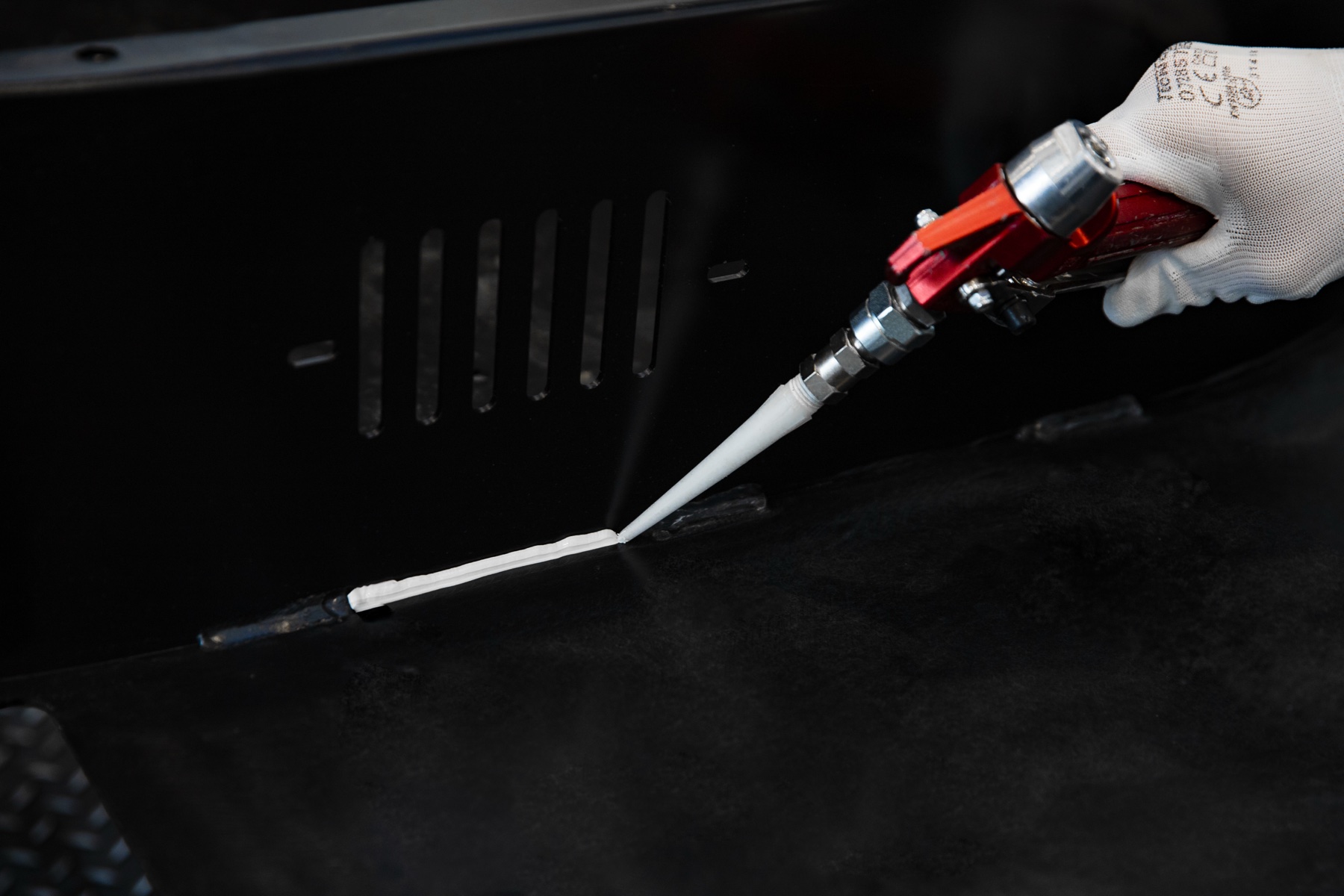
Critical points
Joints, couplings, welds, gaps and cavities are assessed according to the geometry of the workpiece.
Sealing increases the protection of metal components and improves resistance to external agents.
The treatment reduces the risk of water ingress and corrosion in joints, welds, gaps and particularly critical areas.
Zoccarato Industrial Coatings integrates it into its own surface treatment cycles for demanding industrial applications.
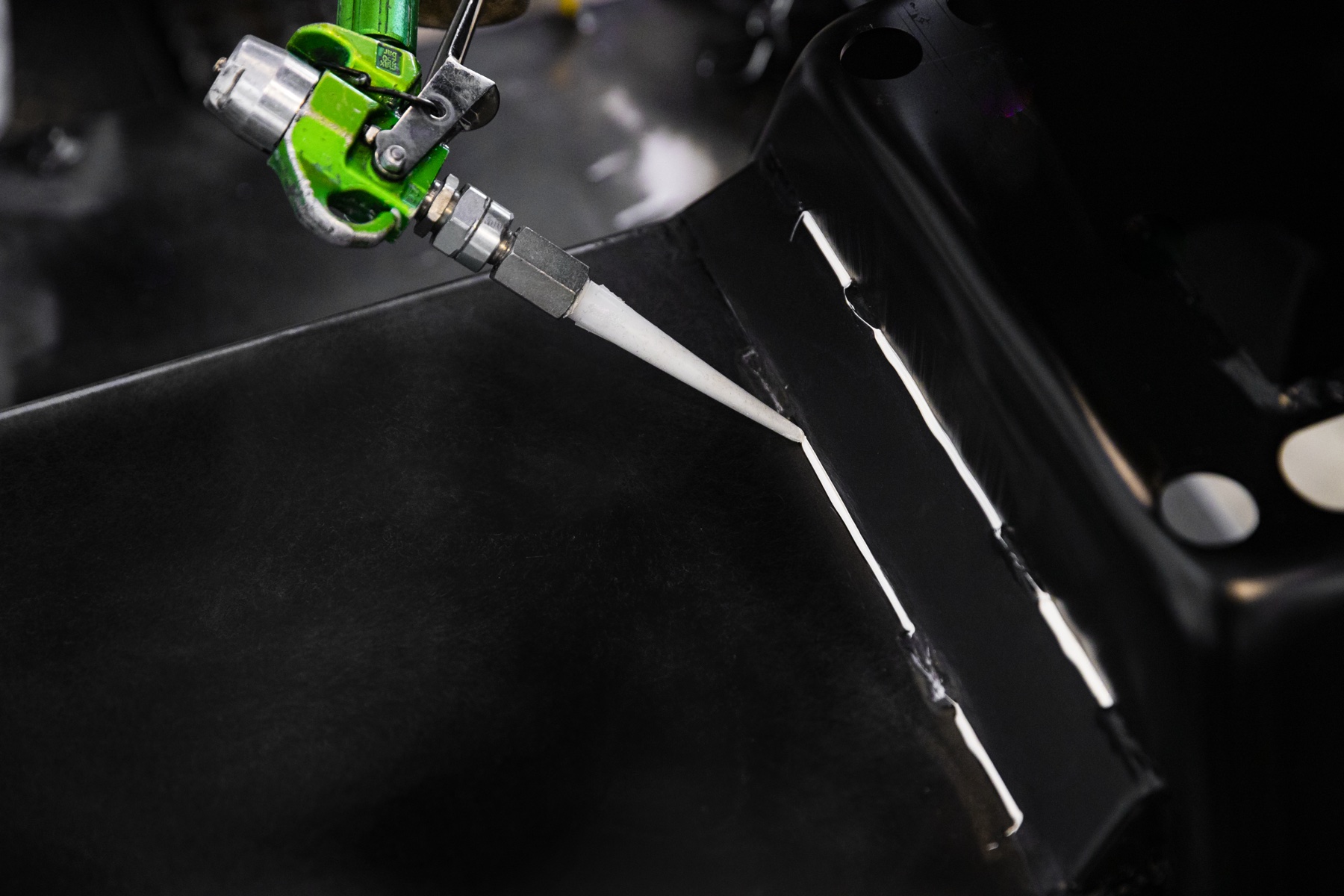
Industrial sealing consists in applying specific products at the critical points of the workpiece.
The aim is to create a barrier against the ingress of moisture, water, dust or other contaminating agents, preserving the durability of the protective cycle.
It is defined according to the component and can be carried out before or after coating.
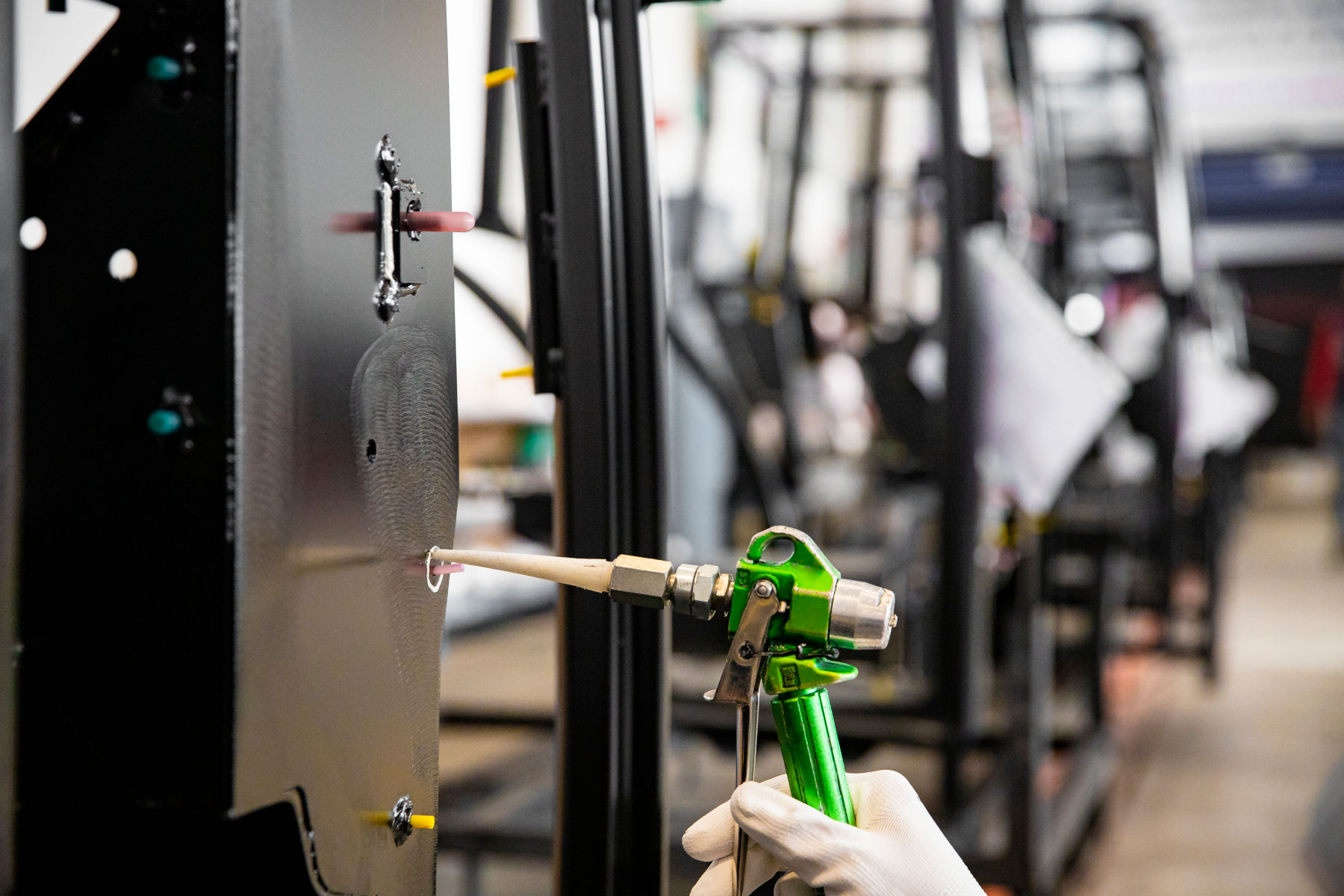
exposure to atmospheric agents
high humidity
corrosive environments
water ingress
From detail to durability
Joints, couplings, welds, gaps and cavities are assessed according to the geometry of the workpiece.
Specific products are applied where protective continuity needs to be created and the entry paths of external agents reduced.
The sealant limits the ingress of water, moisture, dust and contaminants in the most vulnerable areas of the component.
The treatment is inserted before or after coating, depending on the technical specifications and the required cycle.
Where it is applied
Sealing eliminates or reduces the vulnerable points that could compromise the protection of the workpiece over time.
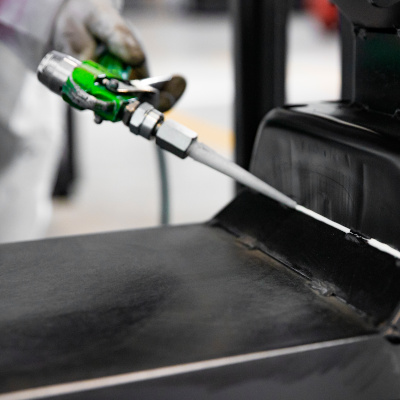
Every application is assessed according to the conditions of use and the required performance.
Sealing and anti-corrosion cycles
Sealing is frequently integrated into cycles intended for particularly harsh environments, in combination with other surface treatments.
Industrial sealing is used in numerous manufacturing sectors, when the durability and reliability of metal components need to be increased.
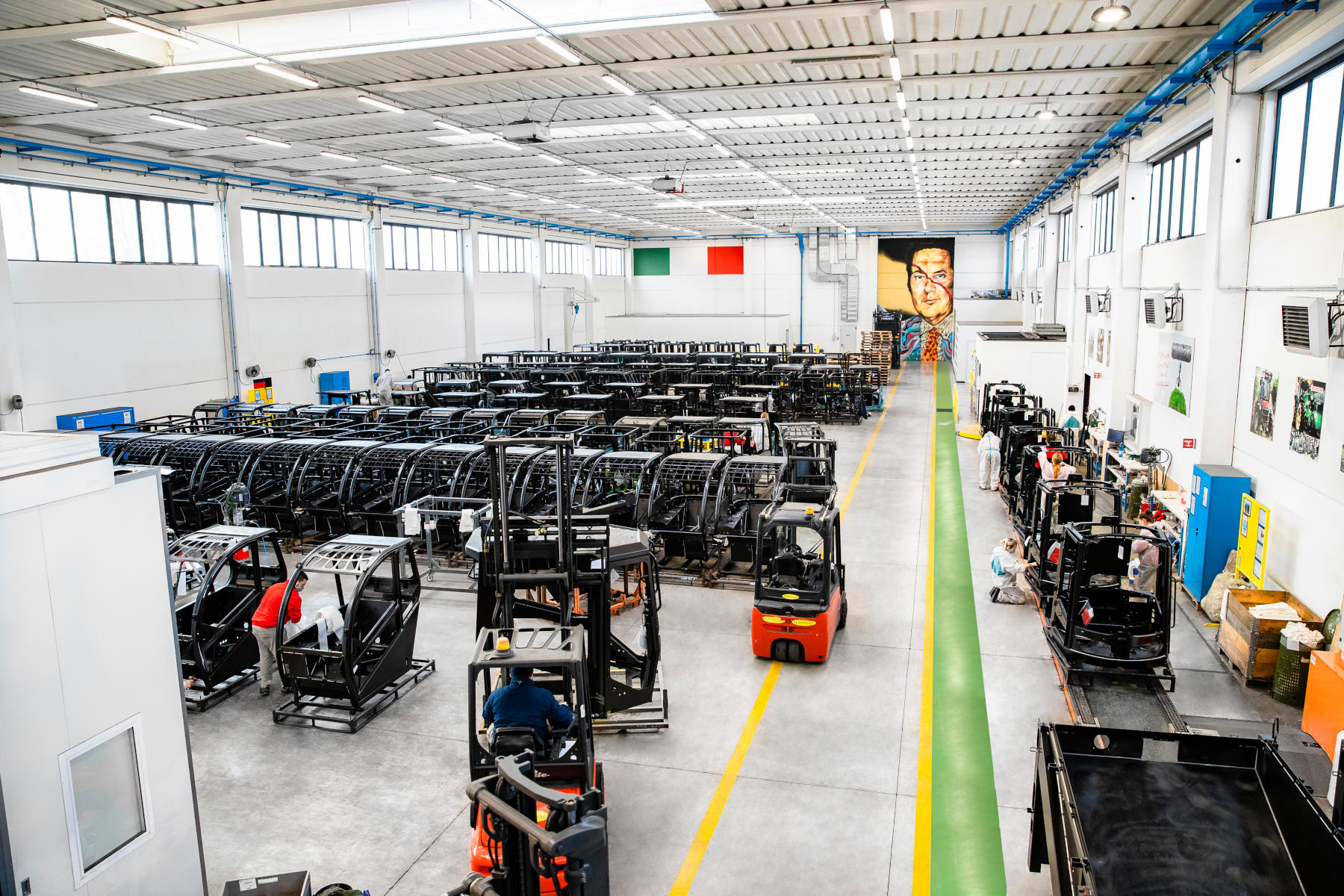
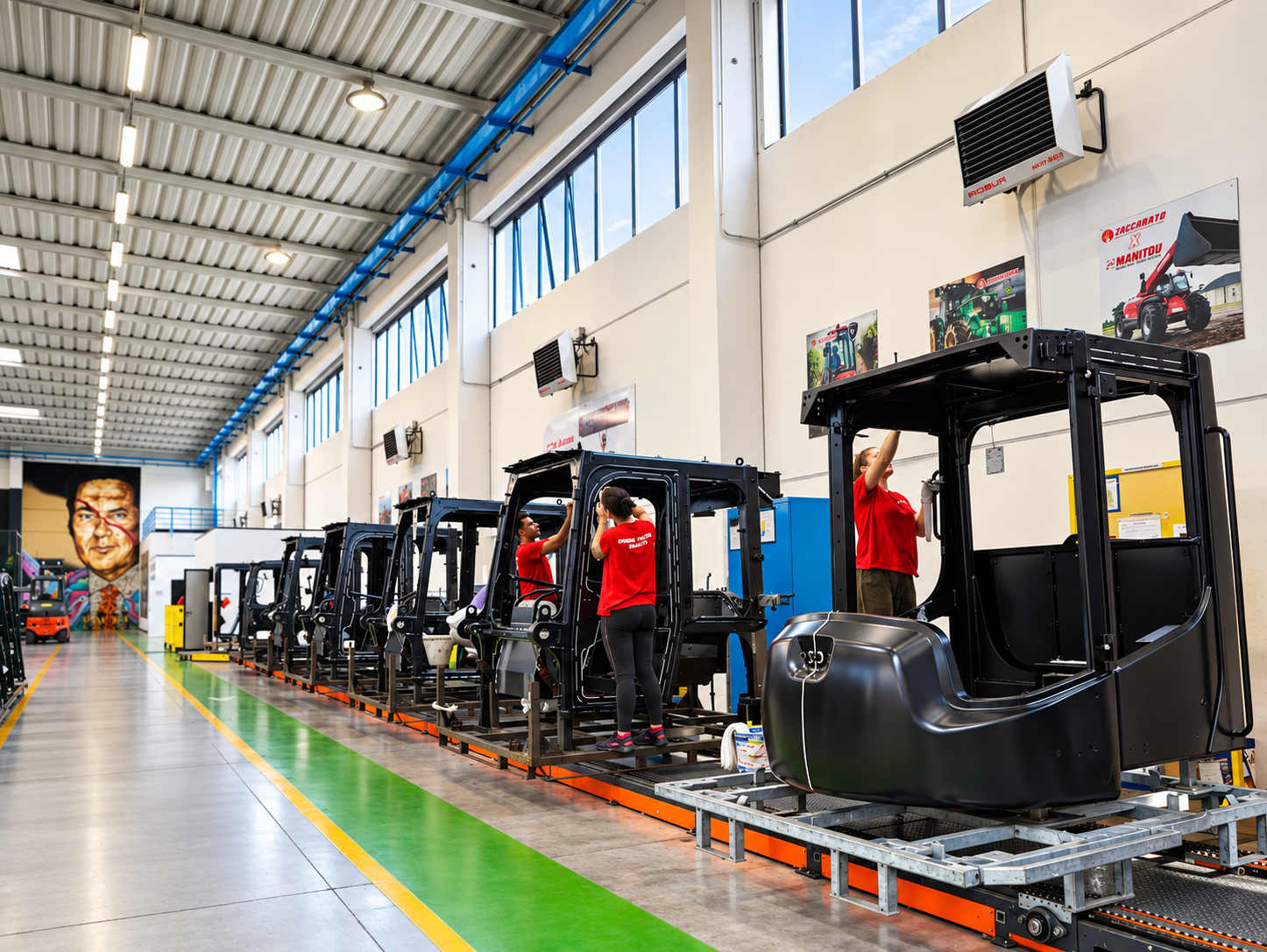
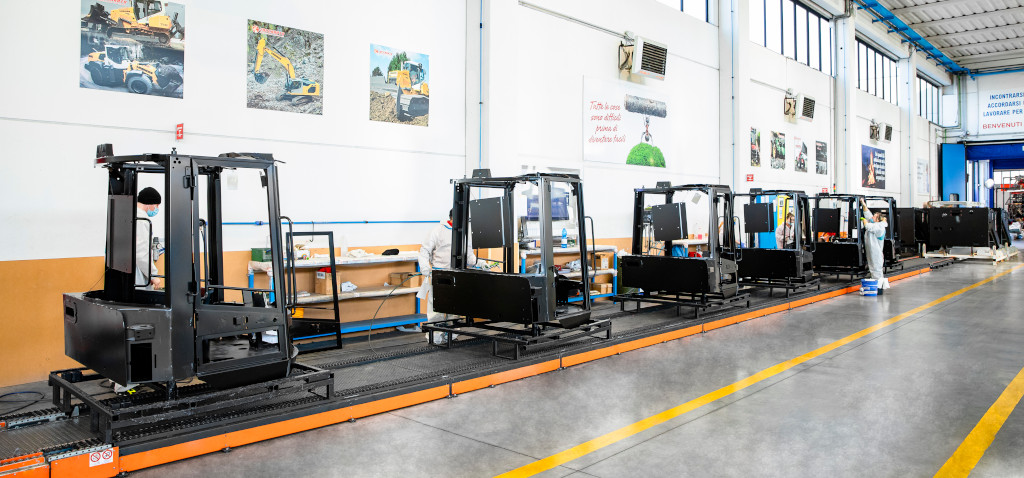
Sealing department
It can be carried out before or after coating, depending on the component, the geometry of the critical areas and the performance specifications required by the customer.
The most frequent applications involve welds, joints, sheet-metal couplings, edges, cavities, gaps and points where water can stagnate.
Sealing reduces the vulnerable points that can compromise the protective cycle, increasing durability and reliability in aggressive environments.
Tell us about your needs: our team will guide you to the most suitable treatment.
Contact usMechanical preparation of metal surfaces before coating.
A finishing treatment that enhances the appearance of coated surfaces.
Quality control, coating cycle validation and development of new surface treatment solutions.
A department dedicated to the final inspection and finishing of coated components.