Masking for painting: the processing phases
Contact usMasking represents the ideal solution for all those items that cannot be separated into several parts and which need to be painted with two or more colours.
Powder or liquid painting an item means protecting and coloring it permanently. As it is easy to imagine, each surface treatment cycle to which the artefacts are subjected involves the use of only one colour, as it would be impossible to paint in an optimal manner in multiple colors during a single pass.
So how is it possible to paint all those non-decomposable items in multiple colours? The answer lies in the practice of masking.
Masking represents the ideal solution for all those goods that cannot be separated into multiple parts, a situation that would allow the item to be colored with different paints, but which need to be treated with two or more colours.
The masking process is composed as follows:
1. Phase One: first level of surface treatment
The product is painted with powders, liquids or cataphoresis, thus giving it the background colour, whatever it may be.
2. Phase Two: covering the artefact
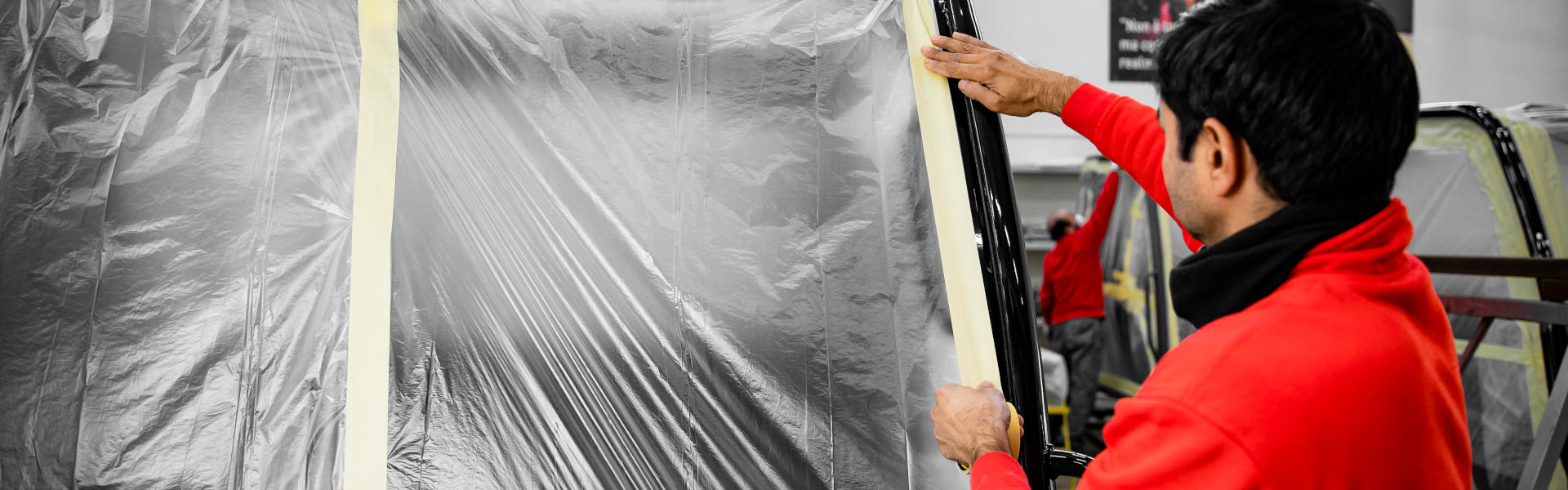
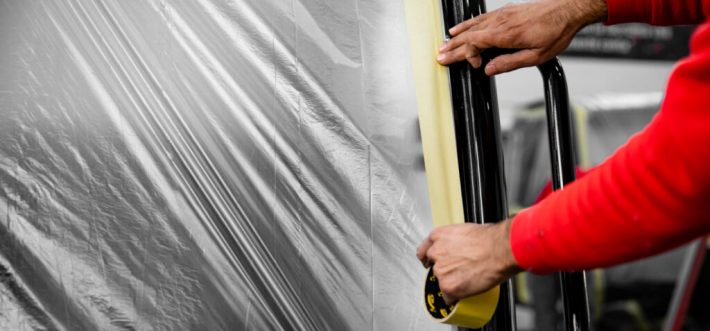
After placing it in a specific area, it is now necessary to cover the entire item, with the exception of the area to be painted, using the masking film. The use of masking film allows you to quickly cover the product, protecting the parts not affected by the subsequent painting phase. Being transparent, it will be possible to see the underlying surfaces, allowing precision work.
3. Step Three: Cut the film
After applying it, cut the masking film around the area to be painted and secure it with masking tape.
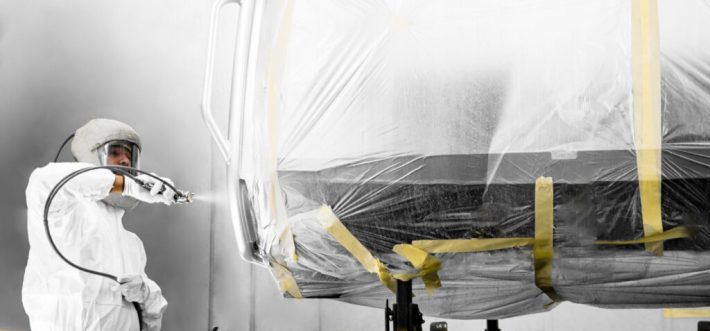
(In the photo above, a cabinet for industrial machines is liquid painted in one of our dedicated areas, after being masked. In this case the background color is black, while masking allows some silver-coloured details to be finished.)
4. Phase Four: painting
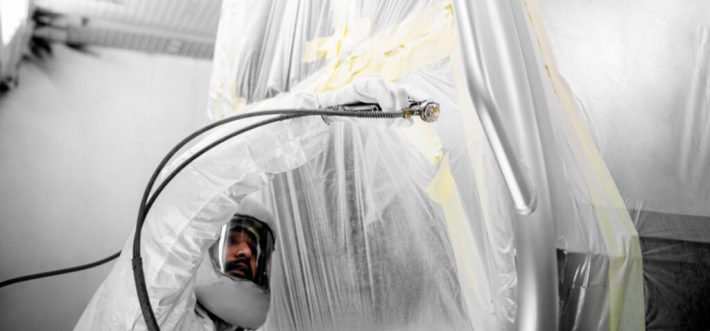
At this point, it is possible to move on to the painting phase. By doing so, it will be possible to treat with extreme precision all those areas left uncovered by the transparent film and the result will be an optimal, well-defined paint job.
5. Step Five: Removing the film
The film must be kept on the article even while it is in the oven, during the polymerization and paint deposition phase. Upon exiting the oven, the film will be removed from the item.
As per company policy, we always use the best products and raw materials, and this process is no exception: using high-performance masking tapes and films eliminates the risk of leaving adhesive residues or other types of inaccuracies on the surface, thus always guaranteeing maximum performance.
We have seen how masking an item is a necessary process for painting items that require multiple colors and how it must be carried out perfectly to avoid finishing errors and inaccuracies.
We are a company devoted to perfection, therefore the attention we reserve for these processes complementary to the painting phases is always very high.
If you wish to receive more information, contact us without obligation by writing to info@zoccaratoverniciature.it or calling 049 9202150.
More articles

E-coating or Powder Coating? 3 Factors to Consider Before Choosing
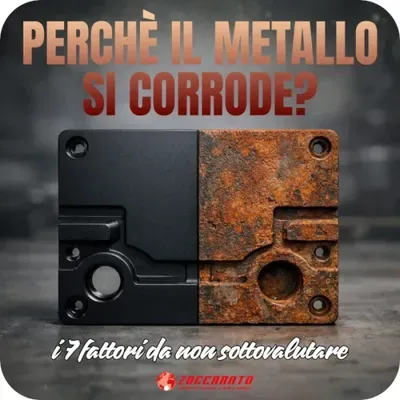
Why does metal corrode? The 7 factors not to be underestimated
Metal cabinets for data centers in a marine environment: why the C5-H cycle is fundamental
Cataphoresis: the questions you didn't know you had (and the answers that make the difference)
Have a project in mind?
Tell us about your needs: our team will guide you to the most suitable treatment.
Contact us