FAQ - The most frequently asked questions regarding cataphoresis painting
Contact usCataphoresis is a growing painting technique that is becoming increasingly popular and in demand in many industrial sectors. Initially developed for the automotive sector, it is now used in a wide range of applications, including industrial and agricultural machinery, household appliances, hydraulic pumps, components and much more. Due to the increase in interest we are experiencing in it, we answer the most frequently asked questions regarding cataphoresis painting.
What is cataphoresis and how does it work?
Is it possible to paint any material using cataphoresis?
What is the thickness of the cataphoresis layer?
Advantages of cataphoresis over other corrosion protection methods
How to choose the right e-coating system for your product
How to prepare the surface for cataphoresis?
How to check the coating quality and possible common problems?
How to repair and maintain the cataphoresis coating?
Regulations and standards for the use of cataphoresis in industry
Examples of cataphoresis applications in various industrial sectors
Trends and future developments in cataphoresis
1. What is cataphoresis and how does it work?
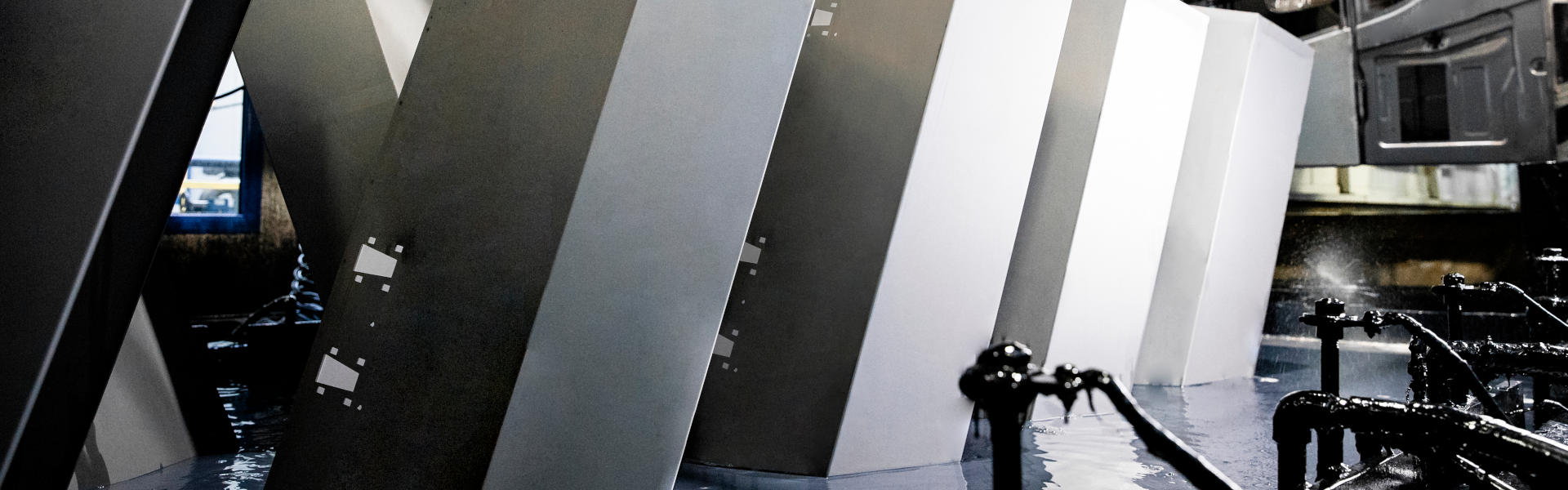
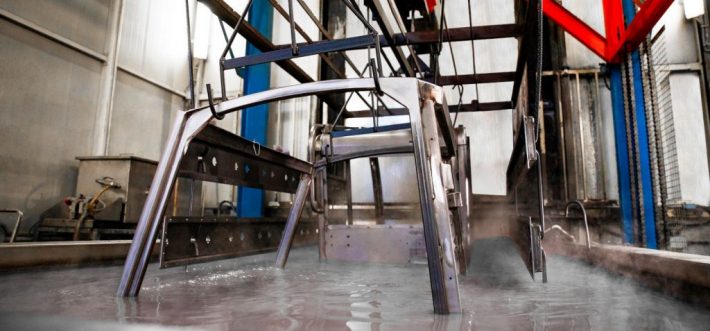
Cataphoresis is a corrosion protection method that uses a water-based paint solution and electric current to deposit a thin layer of paint on a metal surface. The electric current passes through the paint solution and positively charges the particles which migrate, due to the difference in polarity, towards the product which acts as a "cathode".
2. Is it possible to paint any material using cataphoresis?
No, it is essential that they are manufactured from electrically conductive material, therefore for example metals such as steel, copper, aluminium, galvanized iron, cast iron and others.
3. What is the thickness of the cataphoresis layer?
The thickness of the paint layer depends on the process specifications and customer requirements. In general, the thickness of the cataphoresis layer can vary from 10 to 40 microns.
4. Advantages of cataphoresis over other corrosion protection methods
Cataphoresis is a very efficient and precise anti-corrosion protection method. The coating is thin and uniform, meaning there is less material used than with other methods, such as spray painting or powder coating. Additionally, cataphoresis is highly resistant to corrosion, abrasion and chemicals, making it ideal for a wide range of industrial applications. Furthermore, one of the most important advantages of cataphoresis is the ability to coat the edges of the product, guaranteeing greater protection over time.
5. How to choose the right cataphoresis system for your product
Choosing the right e-coating system depends on the specific needs of the product. For example, if you want an anti-corrosive coating for aggressive environments rather than a coating compatible with drinking water, you will need to choose a paint suitable for these conditions. Additionally, it is important to consider the size and shape of the product, as some cataphoresis systems may be more suitable for large items and others for small pieces.
6. How to prepare the surface for cataphoresis?
Surface preparation is essential to ensure that the cataphoresis adheres correctly. The metal surface must be degreased and cleaned of oil, grease, mill scale and then phosphated to ensure high adhesion of the paint layer.
7. How to check the quality of the coating and the most common possible problems?
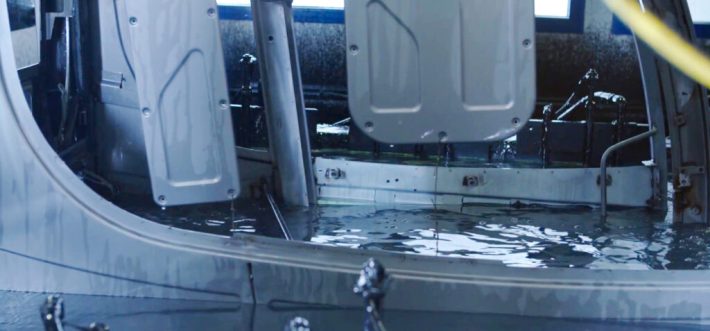
The quality of the coating can be checked through tests for adhesion, hardness, film thickness and corrosion resistance. Common problems can include blistering, cracking or porosity in the coating, which can be caused by surface preparation issues or the application of the coating itself.
8. How to repair and maintain the cataphoresis coating?
The cataphoresis coating can be repaired by removing the damaged area and applying a new layer of coating only on the affected area left with bare metal. Maintenance of the cataphoresis coating mainly consists of regular inspection to identify any damage and repair it promptly.
9. Regulations and standards for the use of cataphoresis in industry
Cataphoresis must meet the requirements of applicable regulations and standards, such as the REACH and RoHS (Restriction of Hazardous Substances) regulations for the reduction of the use of dangerous substances in products.
10. Examples of cataphoresis applications in various industrial sectors
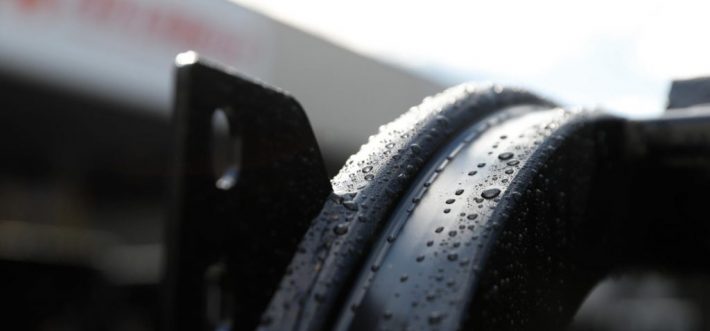
Cataphoresis is used in various industrial sectors, including automotive, electronics, aerospace, mechanics, furniture, construction, agriculture, earthmoving machinery and refrigeration. It is used to protect metal components from corrosion and environmental damage.
11. Trends and future developments in cataphoresis
Future trends in cataphoresis mainly concern the use of more efficient and ecological technologies, such as the replacement of traditional solvents with water-based solutions. Furthermore, automation and robotics are expected to become increasingly common in the cataphoresis process, improving the efficiency and quality of surface finishes and reducing human errors.
More articles

E-coating or Powder Coating? 3 Factors to Consider Before Choosing
Why does metal corrode? The 7 factors not to be underestimated

Metal cabinets for data centers in a marine environment: why the C5-H cycle is fundamental
Cataphoresis: the questions you didn't know you had (and the answers that make the difference)
Have a project in mind?
Tell us about your needs: our team will guide you to the most suitable treatment.
Contact us