Eco-sustainability in the company: how nickel-free cataphoresis painting improves the environmental impact
Contact usFind out how we have eliminated nickel from our production processes relating to cataphoresis painting, to become more eco-sustainable and reduce environmental impact, protecting the health of workers and surrounding communities and maintaining corrosion resistance performance unchanged.
Environmental sustainability has become an increasingly important topic for many companies and industrial sectors around the world.
The painting industry is no exception, and a company like ours that deals with industrial painting for third parties must always try to make significant steps forward to improve the sustainability of its processes.
Cataphoresis painting and the toxicity of nickel
Cataphoresis painting is an electrochemical painting process that uses an aqueous solution containing electrostatically charged paint particles.
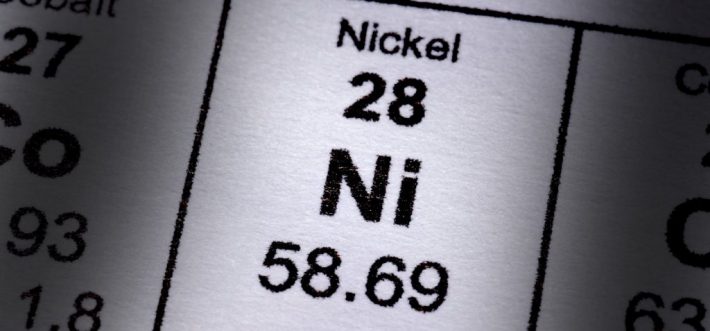
In the pre-treatment phase of cataphoresis, tricationic phosphating plays a fundamental role. One of the most commonly used materials in this phase of the process is nickel, which gives the product high anti-corrosion properties.
However, nickel is known to be a heavy metal and toxic to the environment and human health.

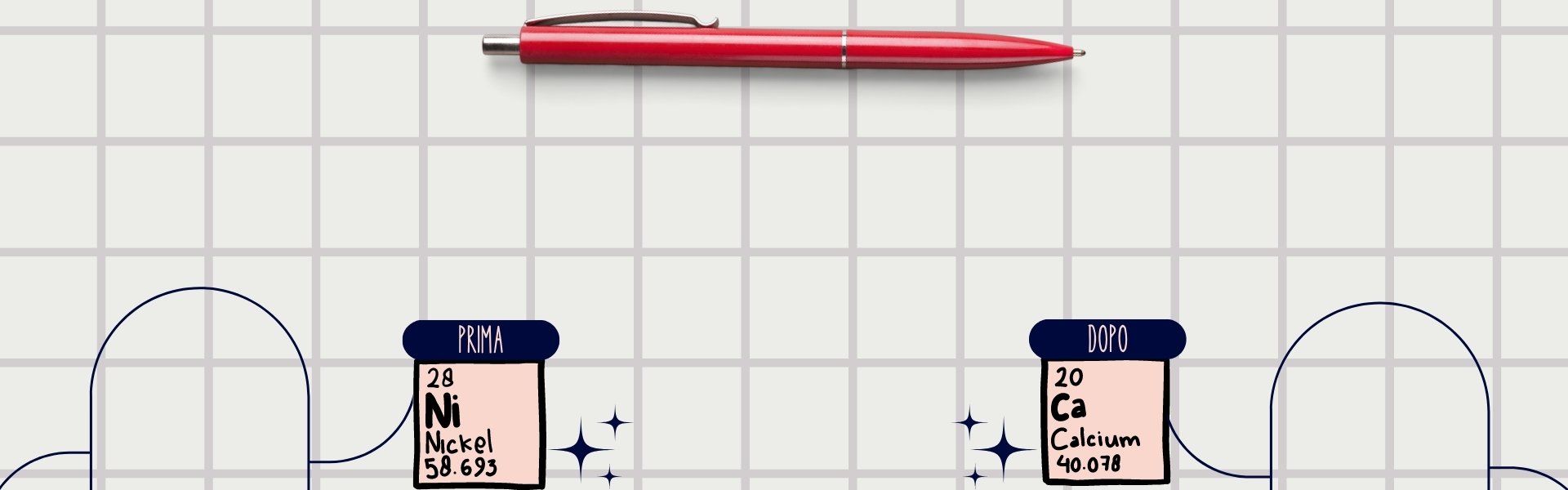
Calcium for nickel-free cataphoresis
To address this issue, we have decided to completely eliminate the use of nickel from our cataphoresis painting processes. In particular, we have replaced nickel with calcium, a metal that is less harmful to the environment and human health, maintaining the same anti-corrosion performance.
This decision had a significant impact on the sustainability of the company. Not only has it reduced the environmental impact of our painting processes, but it has also helped improve the health and safety of the company's workers and surrounding communities.
The elimination of nickel from cataphoresis painting processes is just one of the important steps we have taken to improve the environmental sustainability of our production processes. The company has also implemented other initiatives, such as the use of renewable energy sources, the optimization of production processes to reduce waste and the use of recyclable materials.
The attention we pay to these issues has resulted in obtaining the UNI EN ISO 14001:2015 certification: companies that obtain this certification have adequate procedures to measure, reduce and manage their environmental impact.

Conclusions
In summary, cataphoresis painting is an important process for many industries, but it must be approached with a sustainable approach to reduce environmental impact.
Having eliminated nickel from our cataphoresis painting processes is an example of how companies can take initiatives to improve the environmental sustainability of their production processes and contribute to a more sustainable future for all.
More articles

E-coating or Powder Coating? 3 Factors to Consider Before Choosing
Why does metal corrode? The 7 factors not to be underestimated
Metal cabinets for data centers in a marine environment: why the C5-H cycle is fundamental
Cataphoresis: the questions you didn't know you had (and the answers that make the difference)
Have a project in mind?
Tell us about your needs: our team will guide you to the most suitable treatment.
Contact us