
Differences between Cataphoresis Painting and Powder Painting: the Complete Guide
Contact usIn the world of industrial painting, two of the most widespread techniques for treating metal surfaces are cataphoresis painting and powder painting. Both techniques offer high-quality results, but have different characteristics that make them more suitable for specific applications. In this article, we will explore the main differences between these two methods, helping you understand which is best for your needs.
1. What is Cataphoresis Painting?
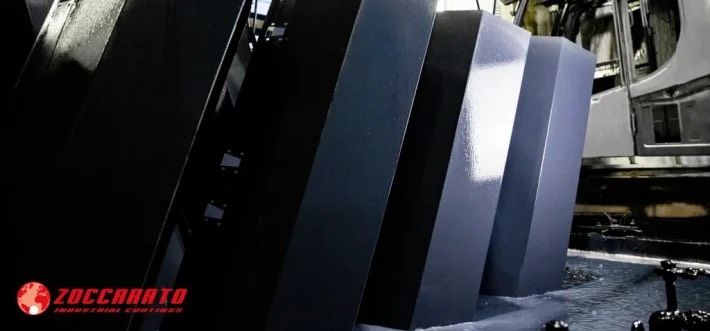
Cataphoresis, also known as cathodic electrophoresis, is an electrochemical process used to deposit a layer of paint on a conductive material, usually metallic. This technique involves immersing the piece to be painted in an aqueous solution containing paint particles. Through a direct electric current, the paint particles are deposited uniformly on the surface of the piece, creating anti-corrosion protection.
Advantages of Cataphoresis:
- High resistance to corrosion: It is one of the most used solutions to prevent rust, especially for components exposed to aggressive environmental conditions, such as the automotive and industrial sectors.
- Uniform thickness: The paint is distributed evenly over the entire surface, even in hard-to-reach places, such as internal cavities and edges. Furthermore, it allows the depositing of limited thicknesses, thus satisfying the needs of sectors with restricted dimensional tolerance requirements.
- Excellent adhesion: Cataphoresis paint adheres very well to the substrate, making it ideal for a protective first coat, which can be combined with other finishes.
- Covering corners: The high penetration of cataphoresis makes it ideal for covering and better protecting critical points such as corners and cavities.
Limits of Cataphoresis:
- Color limitations: Typically, cataphoresis is used as a primer and offers a limited range of colors, often gray or black.
- Limited thickness: The thickness of the applied paint is reduced compared to other methods, making it less suitable for purely aesthetic purposes.
2. What is Powder Coating?
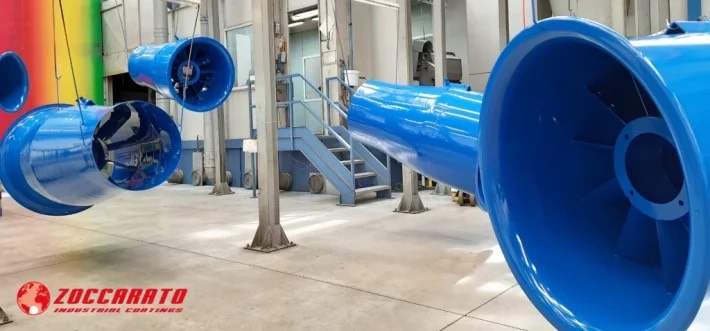
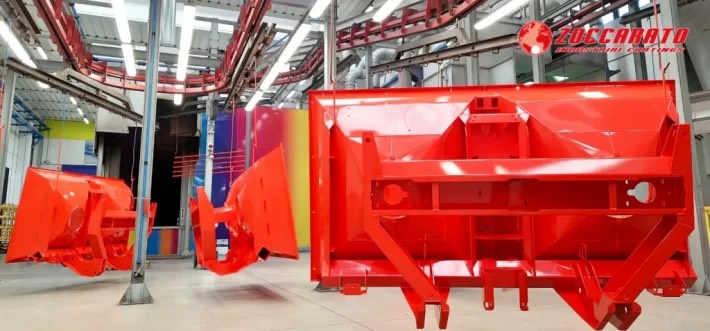
Powder coating is a coating process that involves the application of electrostatically charged paint powder to a metal surface. After the powder is applied, the piece is fired in a kiln, where the paint melts and creates a protective and decorative film.
Advantages of Powder Coating:
- Aesthetic finish: Offers a wide range of colors and finishes (matte, glossy, satin), making it the ideal choice for aesthetic and decorative purposes.
- High thickness: Powder paint can be applied in thicker layers than cataphoresis, offering greater mechanical protection.
- Chemical resistance: This type of paint is resistant to numerous chemical agents, making it suitable for many industrial applications.
- UV resistance: Unlike cataphoresis, powder coating offers better resistance to UV rays, making it ideal for components exposed outdoors and that need protection against yellowing or discoloration caused by the sun.
Limits of Powder Coating:
- Less uniform application: Compared to cataphoresis, powder coating can be less uniform on surfaces with complex geometries or deep cavities.
- Less effective for corrosion protection: While durable, powder coating may not offer the same level of corrosion protection as cataphoresis, especially in extreme environmental conditions.
3. Typical Applications
Cataphoresis:
Cataphoresis is widely used for applications requiring advanced corrosion protection. Here are some examples:
- Automotive: Painting of components such as frames and body parts.
- Fluid management: Thanks to its ability to protect against corrosion, this technique is used to coat metal components of items such as electric pumps, ensuring greater durability even in conditions of prolonged exposure to liquids or humid environments.
- Industrial equipment: Metal structures that require corrosion resistance.
Powder Coating:
Powder coating is preferred when an excellent aesthetic finish and robust surface protection is required:
- Furnishings and appliances: Chairs, tables, shelving, ovens, coffee machines, etc.
- External components: Fences, railings and street lamps.
- Sports and fitness equipment: Coating of metal structures for strength and aesthetics.
These areas represent only examples, the variety of sectors in which these painting techniques are used is extremely varied.
4. Which one to choose?
The choice between cataphoresis and powder coating depends on the specific needs of the project:
- If corrosion protection is the priority, especially for components with complex geometries or that face harsh environments, cataphoresis is the best choice.
- If aesthetic appearance and mechanical resistance are the main requirements, powder coating is the ideal solution.
5. Combination of Cataphoresis and Powder Coating: The Maximum Protection and Finish
One of the best solutions to obtain a highly resistant final product with a flawless finish is to combine both techniques, cataphoresis and powder coating, in a single treatment process. This approach offers the best of both worlds, as the cataphoresis acts as an anti-corrosion primer, protecting the metal deeply, while the powder coating provides a thick, durable outer layer, with a wide range of aesthetic finishes.
Advantages of the cataphoresis + powder combination:
- Maximum protection against corrosion: Cataphoresis seals the metal and creates a solid base, which is further strengthened by the second layer of powder paint.
- Maximum protection against UV rays: The combination of these technologies allows optimal protection from the sun's rays and indirectly helps to preserve the underlying cataphoresis layer, delaying corrosion phenomena.
- Mechanical and chemical resistance: The powder layer gives further protection against impacts, abrasions and chemical agents.
- Superior aesthetic finish: The wide variety of colors and textures available with powder coating offers customization options without sacrificing durability.
This combined process is particularly suitable for applications that require both structural strength and impeccable aesthetic appearance, such as in the automotive sector, industrial machinery manufacturing or for external components exposed to harsh environmental conditions.
6. Conclusion
Both cataphoresis and powder coating offer unique advantages, but it is essential to choose the method best suited to the characteristics of the product and the conditions in which it will be used. If you need further information or personalized advice for your industrial painting project, contact us: we are ready to help you find the perfect solution for your needs.
More articles

E-coating or Powder Coating? 3 Factors to Consider Before Choosing
Why does metal corrode? The 7 factors not to be underestimated
Metal cabinets for data centers in a marine environment: why the C5-H cycle is fundamental
Cataphoresis: the questions you didn't know you had (and the answers that make the difference)
Have a project in mind?
Tell us about your needs: our team will guide you to the most suitable treatment.
Contact us