
How to prepare a surface for painting: practices to obtain an optimal finish
Contact usSurface preparation is a fundamental step in the painting process, which directly affects the quality of the finish obtained. In this article, we understand how to properly prepare a surface for painting, thus ensuring maximum paint adhesion and a uniform, long-lasting result.
Surface preparation is a fundamental step in the painting process, which directly affects the quality of the finish obtained. For this reason, it is important to prepare a surface for painting correctly and effectively. In this article from our blog, we will illustrate the fundamental steps to obtain a perfectly smooth surface ready to welcome paint.
1. Evaluate the surface to be painted
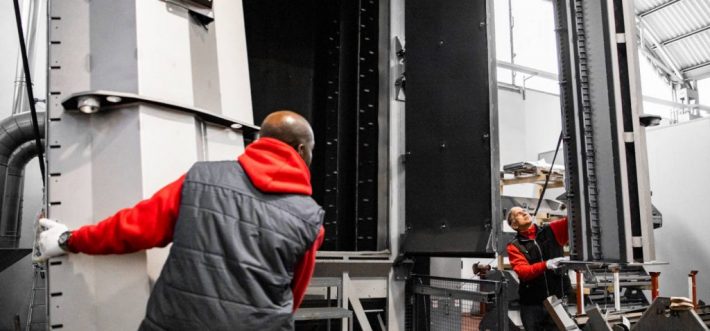
Before starting, it is important to carefully evaluate the surface to be painted to determine the level of preparation necessary. Check for signs of old paint, dirt, grease, calamine, oils or other impurities that could affect the adhesion of the new paint.
2. Cleaning the surface
Thorough cleaning is essential to ensure good adhesion of the paint. Use appropriate cleaners to remove dirt, grease and other impurities from the surface. For the most resistant elements, use techniques such as sandblasting or shot blasting, which can remove even the most resistant components from the surface.
2.a Removing the old paint
If the surface has old paint that is flaking or peeling, it must be completely removed before proceeding. Use scrapers, sanders or chemicals to remove the old paint and create an even base for applying the new one.
3. Sanding
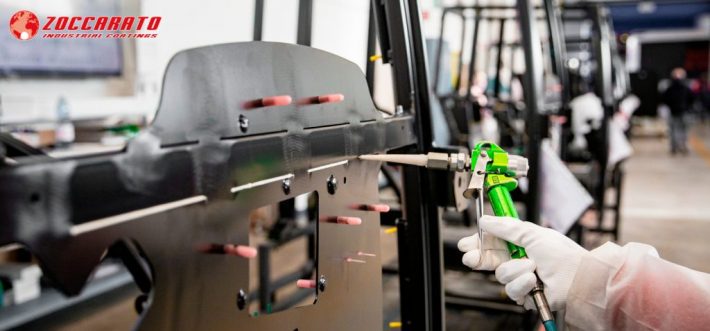
Sanding is a crucial process to ensure a smooth and uniform surface, ready for paint application. Use sandpaper or electric sanders to smooth the surface, paying particular attention to imperfections such as scratches, dents or gouges. Remember to remove the dust generated during sanding with a damp cloth or a vacuum cleaner.
4. Sealing and grouting
Sealing and grouting any cracks, fissures, holes or joints present on the surface is essential to obtain a uniform, long-lasting finish and to prevent the infiltration of any liquids, such as rainwater or humidity. It is essential to use a specific product to fill and seal, based on the environment in which the product will be exposed (indoors, outdoors, waterproof, contact with chemical substances, etc.). You must allow the sealing and caulking to dry completely before proceeding with final sanding and painting.
5. Application of the primer
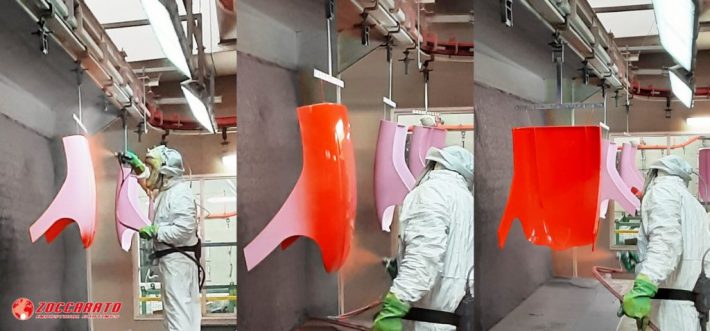
Applying a suitable primer to the surface is a fundamental step to improve paint adhesion and ensure a uniform and long-lasting finish. The choice of primer is influenced by factors such as the type of surface that will be treated and the type of paint that will be used.
The primer can be applied by spray (in liquid form) or by electrodeposition, as happens with cataphoresis.
6. Painting: the last step towards perfection
Once the surface has been adequately prepared, you can proceed with painting. Based on the customer's requests, we are able to complete this step via powder or liquid painting. Based on the customer's needs, we can guarantee an even superior finish through the final polishing phase.
By following these practical tips, you can properly prepare a surface for painting, ensuring a high-quality, long-lasting finish. Good preparation is the key to success in any painting project.
More articles

E-coating or Powder Coating? 3 Factors to Consider Before Choosing
Why does metal corrode? The 7 factors not to be underestimated

Metal cabinets for data centers in a marine environment: why the C5-H cycle is fundamental

Cataphoresis: the questions you didn't know you had (and the answers that make the difference)
Have a project in mind?
Tell us about your needs: our team will guide you to the most suitable treatment.
Contact us