The C5-M anti-corrosion painting system: maximum protection from marine environments
Contact usThe C5-M anti-corrosion painting cycle is the most protective of the anti-rust processes, as it guarantees maximum protection even in the most demanding environments, such as marine ones. Let's see what it is made of and when its use is recommended.
The choice of painting cycle has a strong impact on the finished product. Getting the cycle wrong means taking risks that you often cannot afford, especially for all those items on whose functioning an entire design ecosystem depends and whose unexpected deterioration can lead to serious damage and losses. The question therefore arises spontaneously: what do you need to do to choose the best painting system?
The ISO 12944 standard: corrosion protection of steel structures by painting
Let's start from the founding concept: the ISO 12944 standard defines the protection of steel structures from corrosion by means of protective painting. In addition to introducing key concepts, this standard deals with classifying the environments in which the items will operate, design considerations, duration of protection, types of surfaces, painting cycles, laboratory tests and maintenance. All these considerations are fundamental when choosing a painting system.
Think for example about duration: it is classified into low (2-5 years), medium (5-15 years) and high (more than 15 years). Obviously the painting cycle involved will change if the required duration is 5 or 20 years, and will also change based on the type of item to be treated; if an item will have a complex maintenance process, or if its expected life cycle will be long enough, the life of the paint will also have to go hand in hand and lengthen accordingly.
Another aspect not to be overlooked is the durability of a protective paint system, which can depend on various factors, such as:
Painting cycle
Structure design
Preparation of the support
Type of support
Exposure conditions
Maintenance conditions
The durability class does not mean "durability guarantee", but represents a support to help in drawing up an adequate maintenance program in order to meet the expectations on the corrosion resistance of the product. The construction characteristics of the product to be subjected to a painting cycle for outdoor durability are listed directly in the ISO 12944 standard.
How to choose the right painting system
Having made these assumptions, it is a good idea to evaluate what type of painting cycle you need. As anticipated, it is necessary to take into account the expected duration of the painting, the characteristics of the place where the item will be displayed, the nature and type of the support, its design and aesthetic characteristics.
The atmospheric environments represent one of the most important points in this list: they are nothing other than the place in which the item will be installed or intended to operate, including all the critical issues of the case, including corrosivity.
These environments are classified into six distinct categories, from least to most "demanding", and clearly where the corrosivity is higher, more efficient painting cycles are required.
Classification and description of atmospheric environments:
CLASSIFICATION
ENVIRONMENT EXAMPLES
IMAGE
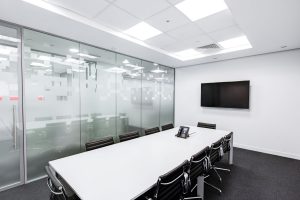
C1 – very low
Heated and clean environments, such as offices and shops.
C2 – low
Rural areas, low pollution areas. Buildings where condensation can deposit, as in the case of sports venues, warehouses or airport terminals (photo alongside).

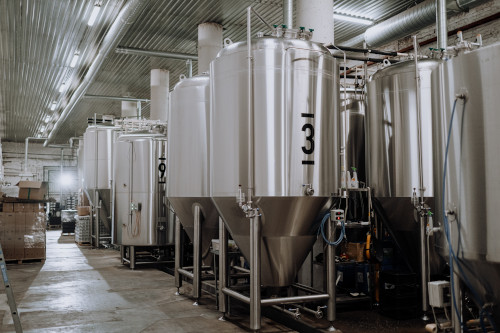
C3 – medium
Urban and industrial atmospheres with moderate emissions. Production environments with high humidity (in the photo alongside the inside of a brewery), laundries, food industries in general.
C4 – high
Industrial areas and coastal areas, chemical plants (photo alongside), swimming pools.
C5-I – very high
(industrial)
Industrial areas with high humidity and/or aggressive atmospheres, areas with almost permanent condensation and/or high pollution. In the photo alongside, the Adrar stadium, located in Agadir (port city of Morocco).
C5-M – very high
(navy)
Offshore structures, coastal areas with high salinity.
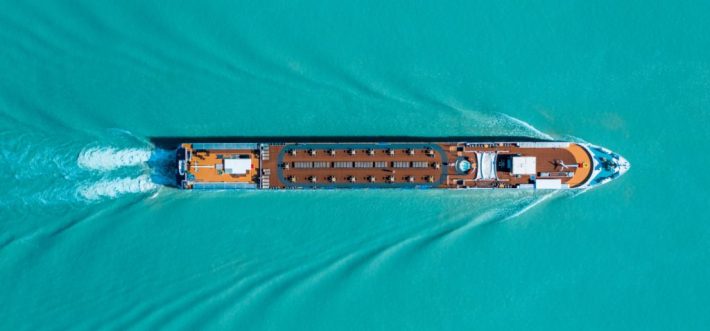
Very high corrosivity and high salinity: the C5-M protective paint cycle
Among all the overexposed cases, the most challenging is represented by C5-M, which represents a very high classification in a predominantly saline environment. Anti-corrosive painting systems are described in the ISO 12944-5:2019 standard, which deals with the most commonly used types of paints and varnishes for the protection of steel structures from oxidation.
Our cycle ensures maximum resistance to salinity, ensuring that articles and details operating in the sea or in coastal areas are always protected against external agents, which in those conditions can heavily affect the surface and composition of the products. Ignoring these factors can lead to rapid product deterioration, constant and unexpected maintenance and, ultimately, an overall increase in operating costs.
Our cycle involves the use of sandblasting, chemical pre-treatment cycles, cataphoresis and powder coating.
The tests to which we have subjected our protective cycle have given comforting results, such as:
1,440 hours according to ISO 9227 (salt spray test)
720 hours according to ISO 6270 (procedure for exposure to condensed water atmospheres)
Do you want to receive more information? Write to us at info@zoccaratoverniciature.it
More articles

E-coating or Powder Coating? 3 Factors to Consider Before Choosing
Why does metal corrode? The 7 factors not to be underestimated
Metal cabinets for data centers in a marine environment: why the C5-H cycle is fundamental
Cataphoresis: the questions you didn't know you had (and the answers that make the difference)
Have a project in mind?
Tell us about your needs: our team will guide you to the most suitable treatment.
Contact us