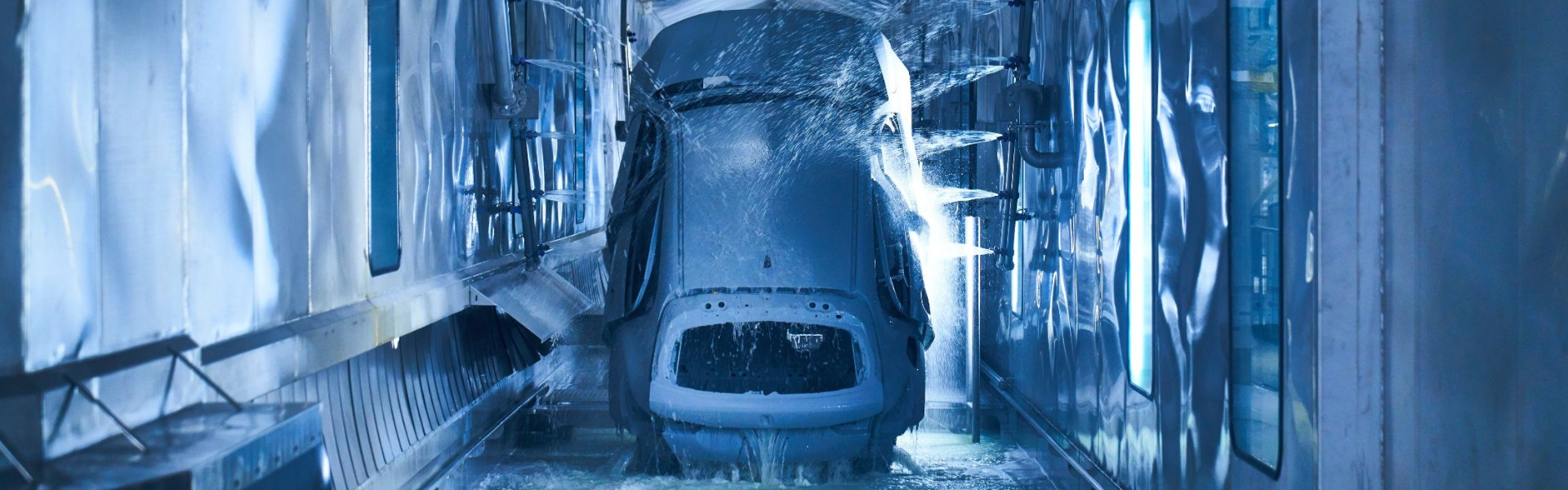
BMW uses sustainable paints produced from biological waste
Contact usToday we introduce our new News From The World column, in which we will talk about issues related to industrial painting and protective treatments, collecting news and information from all over the world. We open the section with a piece of news regarding BMW and its commitment to improving sustainability and reducing emissions in its painting processes: thanks to innovative anti-corrosion protections and matt paints made without the use of fossil resources, they aim to reduce CO2 emissions by 40%.
The BMW Group is using innovative technologies in its commitment to improve sustainability and exploit new options to conserve resources and reduce emissions from body painting.
BMW is the first automotive manufacturer in the world to use matte paints made from biomass instead of crude oil in its European plants. Furthermore, the BMW plants in Leipzig (Germany) and Rosslyn (South Africa) also use sustainably produced corrosion protection.
Renewable raw materials, such as biological waste or waste from wastewater treatment plants, serve as starting material for paints. The CO2 savings determined in a TÜV certified process amount to over 15,000 tonnes of CO2 emissions between now and 2030.
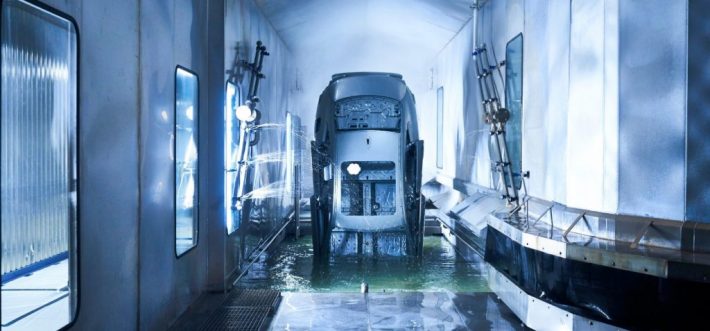
Organic waste replaces fossil resources
BASF's innovative production process makes it possible to replace petroleum-based precursors, such as naphtha, with renewable raw materials from organic waste, starting from the early stages of paint production. This not only reduces the consumption of fossil resources, but also avoids the CO2 emissions associated with the production, transport and processing of crude oil.
The anti-corrosion and matt paints used at the BMW Group plants in Leipzig and Rosslyn are chemically identical to the paints used previously, with all the same properties as conventionally produced body coatings. Since biobased and conventional coatings are produced on the same line, BASF adopts an externally certified mass balance approach.
The amount of paint purchased by the BMW Group is calculated to be exactly equivalent to the amount of bio-naphtha and bio-methane that would be required for 100% oil-free production. The sustainable manufacturing process reduces CO2 emissions from paint production by more than 40%. The two BMW Group plants in Leipzig and Rosslyn produce on average around 250,000 vehicles per year.

Statements
"By reducing the use of fossil raw materials, we can conserve natural resources and at the same time reduce CO2 emissions. To achieve this, we increasingly rely on sustainability innovations from our supplier network," says Joachim Post, member of the Board of Management of BMW AG and responsible for purchasing and the supplier network. “Innovative paints based on renewable raw materials are an important step in this direction.”
More articles

E-coating or Powder Coating? 3 Factors to Consider Before Choosing

Why does metal corrode? The 7 factors not to be underestimated

Metal cabinets for data centers in a marine environment: why the C5-H cycle is fundamental

Cataphoresis: the questions you didn't know you had (and the answers that make the difference)
Have a project in mind?
Tell us about your needs: our team will guide you to the most suitable treatment.
Contact us